
Track 01
Bullet Journaling
The rapid-logging shorthand, the index, and the monthly and daily logs explained without the decorative pressure that scares most people off.
Read the basicsMorning Ledger collects practical notes on bullet journaling, daily planning systems, and habit tracking. The focus stays on methods that hold up inside a busy Canadian household, where shift work, school pickups, and seasonal darkness all push back against a tidy plan.

Each track is written as a standalone reference. Start wherever your current frustration sits — the cross-links will move you to the next logical step.
The rapid-logging shorthand, the index, and the monthly and daily logs explained without the decorative pressure that scares most people off.
Read the basics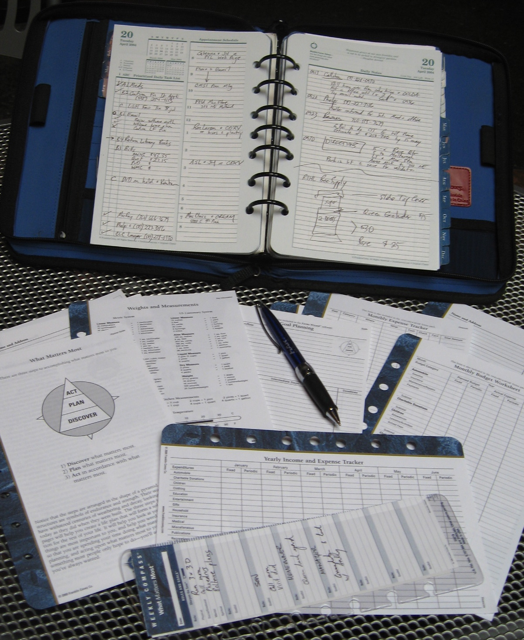
How time blocking, the day's three priorities, and weekly reviews fit together — and where each method tends to break under a real schedule.
Compare the systems
Building a habit grid that survives February, plus notes on streak pressure, reset rules, and tracking habits shared across a household.
Build a trackerThe original bullet journal method, described by Ryder Carroll, was designed around a single notebook and a short set of symbols. That restraint is the point. A system you can rebuild on a blank page in two minutes is a system that comes back after you abandon it for three weeks in December.
Most of the methods covered here trace back to a handful of publicly documented sources: Carroll's The Bullet Journal Method, Cal Newport's writing on time blocking, and the broad literature on habit formation. Where a precise figure or study is not something we can verify, the text stays descriptive rather than inventing a statistic.

Productivity advice often assumes a flat, sunny year. The notes here account for the parts of the Canadian routine that actually disrupt a plan.
In much of the country the sun sets before 4:30 p.m. in December. Evening planning blocks that work in summer often need to move earlier once the light goes.
Statutory holidays and school PA days vary by province. A household tracker that notes provincial dates avoids the recurring "the kids are home today" surprise.
Long winter commutes and inter-city travel make a portable paper log practical where a battery-dependent app sometimes is not.
If something in an article reads wrong, or you have a documented source worth adding, send a note. This is a frontend demonstration form: messages are validated in the browser and are not transmitted or stored.
Morning Ledger
Toronto, Ontario, Canada
Email: editor@morningledger.pro