Daily planning systems, compared
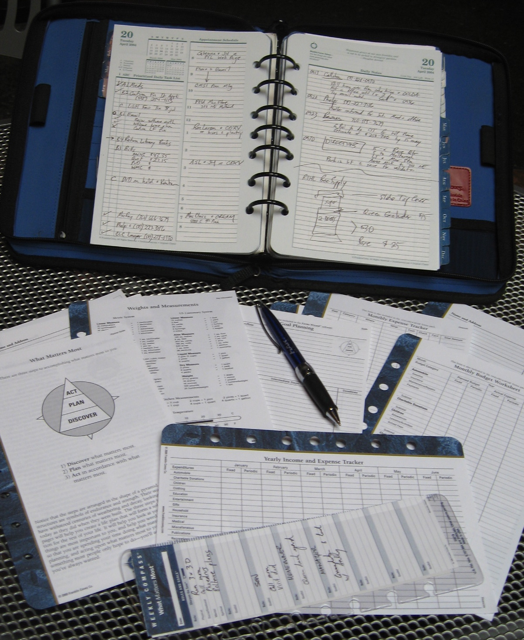
Most daily planning advice reduces to three ideas wearing different names: decide what matters, give it a time, and look back regularly. The methods below are worth understanding as a set, because they cover for one another's weaknesses. A plan made only of priorities has no schedule; a plan made only of time blocks has no judgment about what deserves a block.
Three methods worth knowing
Time blocking
Time blocking means assigning every part of the working day to a specific task in advance, rather than working from an open list. The writer Cal Newport has argued at length that a blocked day, even an imperfect one, protects deep work from being eaten by reactive tasks. The honest catch is that the first version of a blocked day is almost always wrong — the value comes from re-blocking when reality interrupts, not from getting the morning's guess perfect.
The daily top-three
Before opening anything else, write the three outcomes that would make the day a success. The constraint is the feature: three forces a choice. It pairs naturally with a bullet journal daily log, where the three priorities sit at the top marked with a star and everything else is secondary.
The weekly review
A weekly review is a short standing appointment — often thirty to sixty minutes — to clear the previous week and set up the next. You migrate unfinished tasks, scan the future log, and decide the coming week's shape. It is the least glamorous habit on this list and the one that most reliably keeps the others honest.
How they fit together
| Method | Answers | Tends to fail when |
|---|---|---|
| Top-three | What matters today? | Everything feels equally urgent and nothing gets chosen. |
| Time blocking | When does it happen? | The day is mostly reactive and blocks are never re-drawn. |
| Weekly review | Is the plan still real? | It gets skipped, and small backlogs quietly compound. |
A workable loop: choose three priorities in the morning, drop them into time blocks, and reconcile the whole thing in a weekly review. None of these requires software. A paper planner or a bullet journal daily log handles all three.
A realistic expectation: A plan is a hypothesis about the day, not a contract. The point of writing it down is to notice quickly when it is wrong and adjust — not to feel guilty when the afternoon goes sideways.
Adjusting for a Canadian week
Two local realities shape these methods in practice. First, daylight: across much of Canada the sun sets in mid-afternoon through December and January, so an evening planning block that worked in July often needs to move to lunch in winter, when alertness holds up better. Second, the shared calendar: provincial statutory holidays and school breaks vary, so a household that blocks time without checking the provincial calendar will keep planning over days when the kids are home or services are closed.
A sample blocked day
Where to read more
For the reasoning behind time blocking and focused work, Cal Newport's writing at calnewport.com is a publicly available starting point. The daily top-three and weekly review pair cleanly with the bullet journal method described at bulletjournal.com.